
CAD-ready or near CAD-ready projects
Best fit buyers already have files, samples, drawings or production targets.
The site exists to help overseas buyers move from plastic part files to a controlled mold and production path.
MoldRoute focuses on CAD-ready custom parts, DFM risk, tooling decisions, T1 sample gates and production release.
Best fit buyers already have files, samples, drawings or production targets.
The process is designed around reducing avoidable mold rework.
It connects with industrial design before tooling and packaging after molded parts are approved.
These direct answers reduce ambiguity for buyers, search engines and AI systems that need to distinguish MoldRoute from adjacent stations.
MoldRoute is not a stock plastic catalog. It is a focused intake and manufacturing-path site for custom molded parts where DFM, tooling and sample approval decide production risk.
MoldRoute owns injection molding production after design and tooling assumptions are clear, while FormReady handles design readiness, ToolingPilot handles mold control, Axmetra handles sheet metal and PackClarity handles packaging.
Overseas buyers should expect DFM notes, tooling assumptions, T1 sample review, dimensional checks, material confirmation and release records when the project requires them.
Factory photos, mold tooling photos, quality-lab evidence and T1 sample review photos help buyers understand what can be checked before production release.
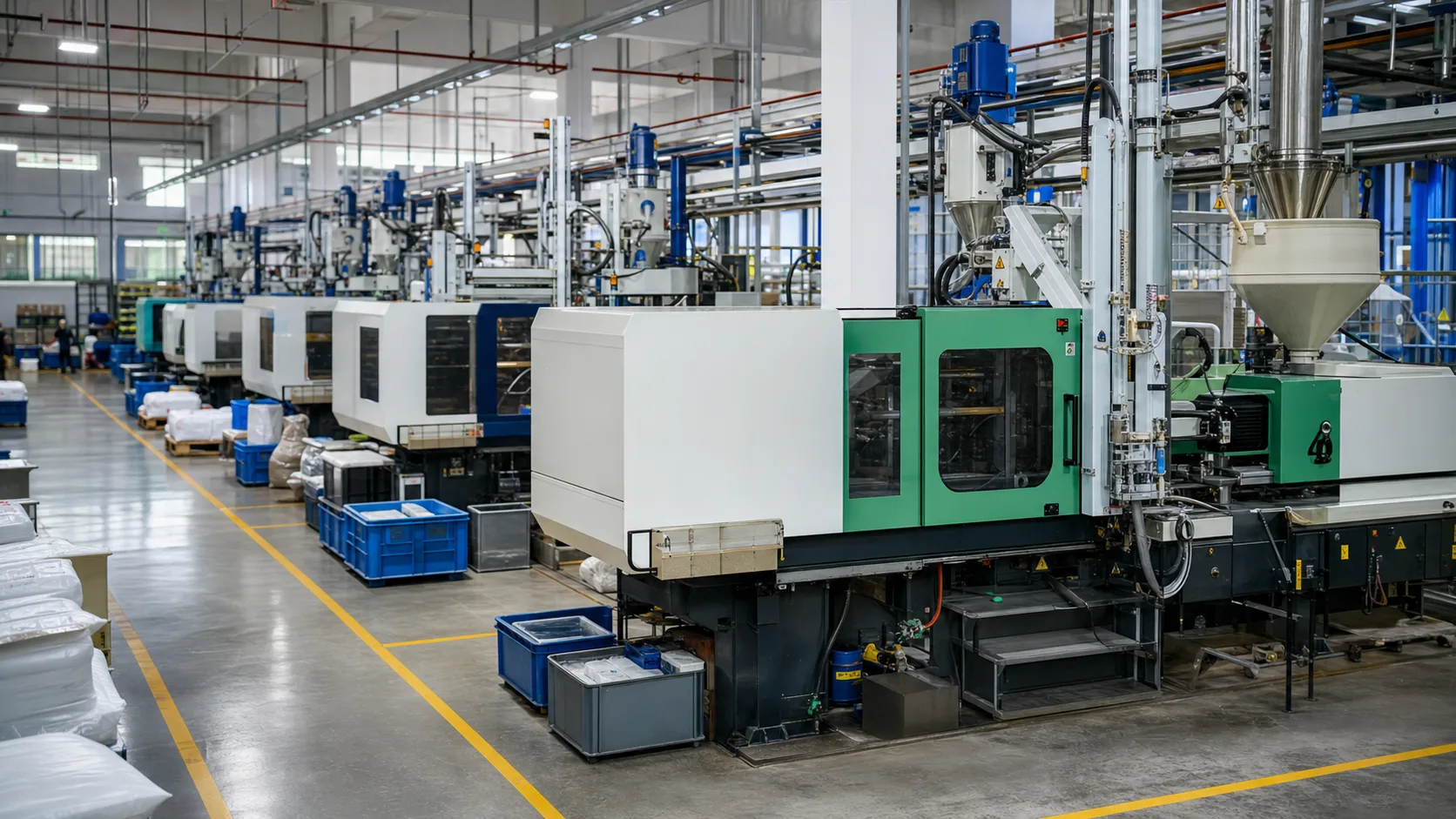
A stronger injection molding partner makes capacity, process control and sample-release evidence visible before a buyer uploads files.
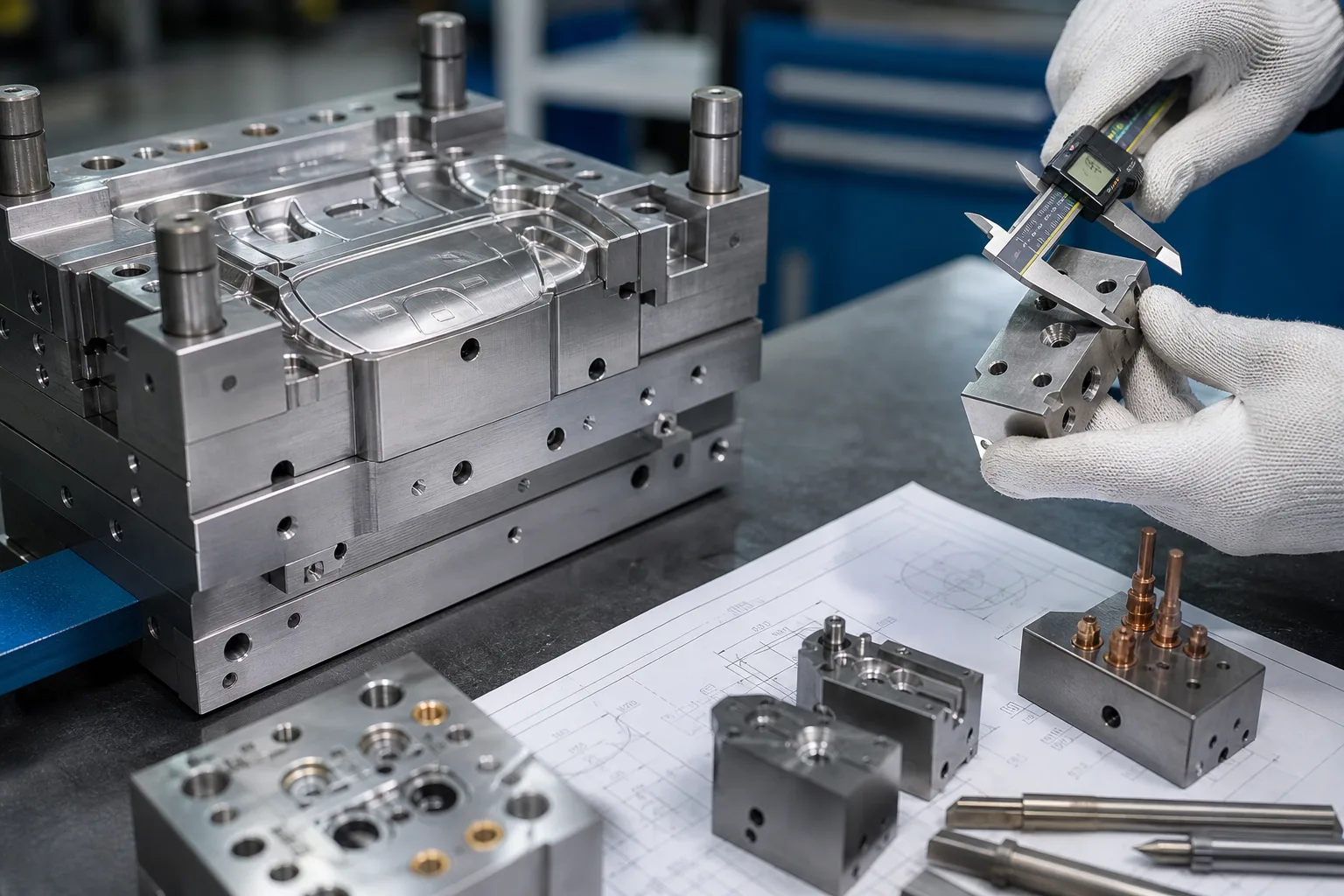
Tooling images should support claims about cavity/core details, insert fit, steel review and correction planning.
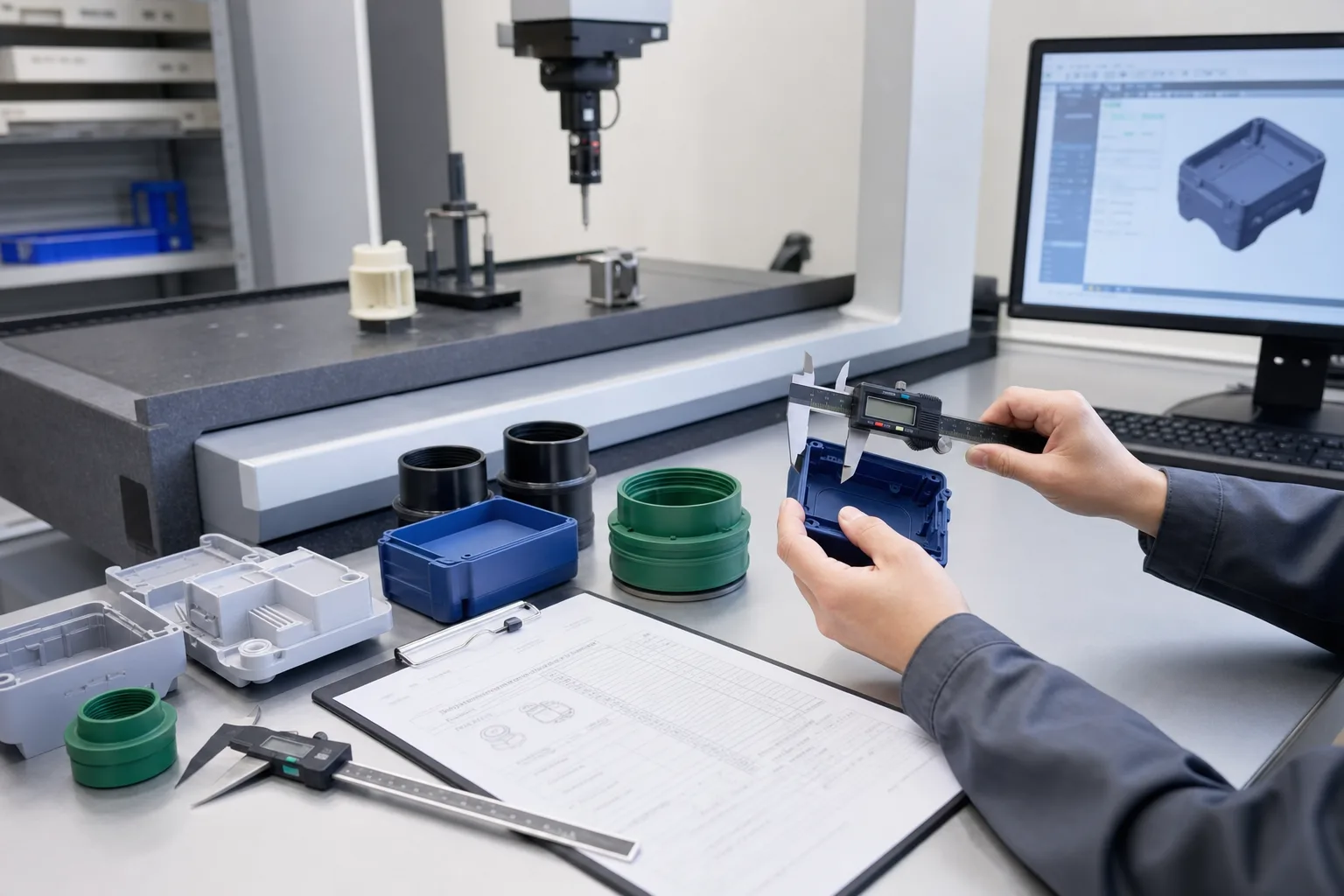
Inspection visuals help buyers understand how T1 samples, critical dimensions and release documents are controlled.
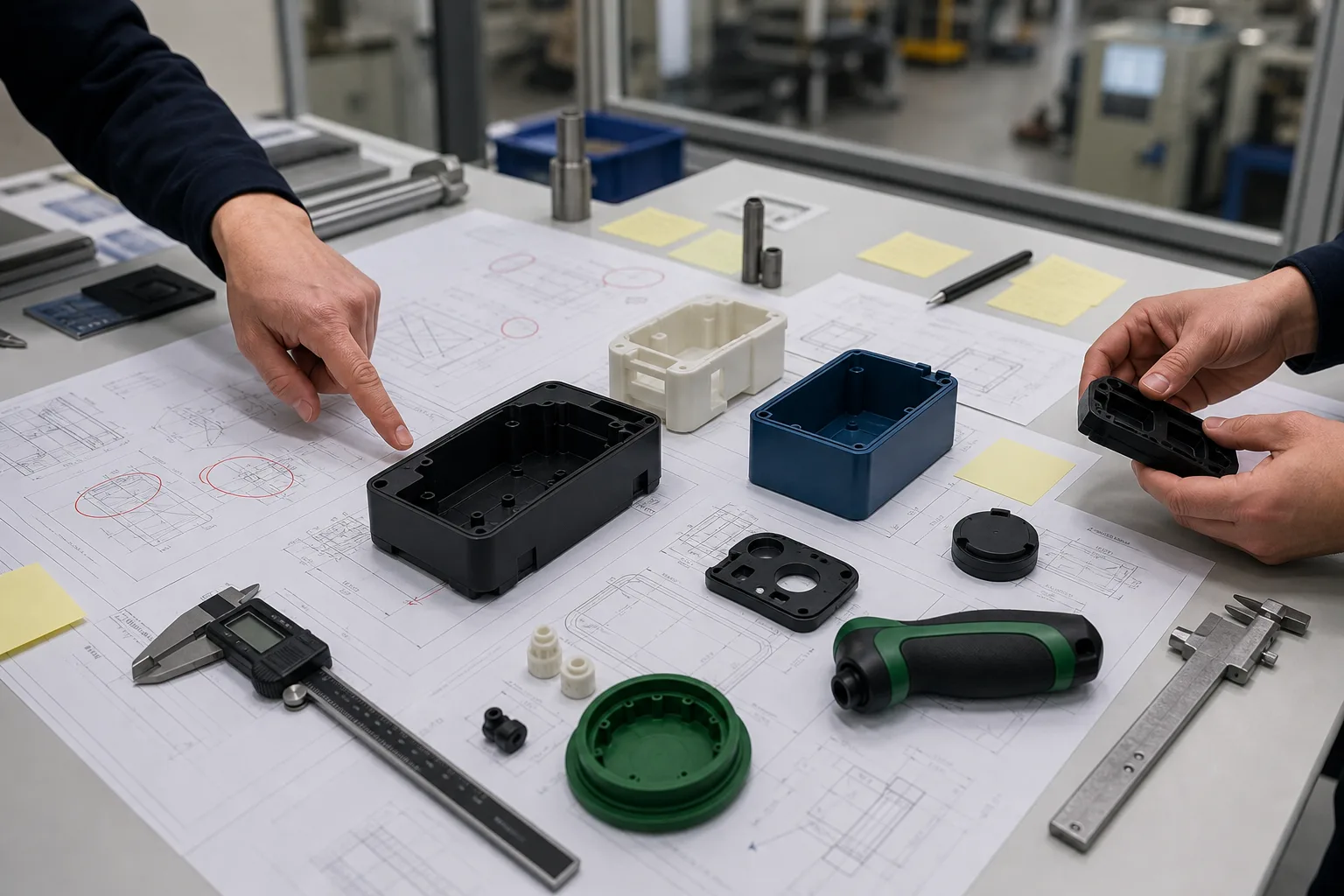
Sample review should connect molded parts, marked drawings, tooling corrections and buyer approval gates.
Overseas buyers are often comparing mold prices without seeing the assumptions behind those prices. MoldRoute positions the inquiry around evidence: geometry risk, material behavior, tooling route, T1 approval and release documents.
| Principle | How it affects the buyer |
|---|---|
| DFM before price pressure | A low mold price is not useful if wall thickness, draft, gates or ejection create T1 rework. |
| Tooling route before production promise | Prototype molds, bridge molds and production molds solve different buyer decisions and should not be sold as the same thing. |
| Sample evidence before scale-up | T1 approval should connect cosmetic review, dimensions, assembly fit, material confirmation and correction notes. |
The intake path turns part files, sample photos and production targets into a clearer injection molding route.
The site does not present stock plastic products. It focuses on custom molded parts where DFM, tooling and sample approval decide the path.
Within the B2B independent-site system, MoldRoute sits after product design and mold asset decisions, then before packaging execution. Hybrid assemblies can also move to the metal station when brackets, panels or enclosures are the blocker.
| Buyer stage | Best station |
|---|---|
| Concept, appearance or mechanical CAD is still changing | FormReady Design. |
| Metal bracket, enclosure, chassis or panel is part of the assembly | Axmetra sheet metal fabrication. |
| Plastic part needs DFM, mold design, mold build or T1 control | ToolingPilot mold design and manufacturing. |
| Mold route is clear and parts need production | MoldRoute injection molding services. |
| T1 samples are approved and the product needs retail or shipping structure | PackClarity packaging quality and factory capability. |
Use the project review to agree the service provider, technical reviewer, supplier responsibilities and approval authority for the specific scope. Contracting details and production obligations should be identified in the quotation before a paid commitment.
Ask for evidence tied to the proposed work: the relevant file revision, named review responsibility, sample record and agreed acceptance method.