
What should an injection molding RFQ include?
A practical RFQ should include molded part type, CAD status, material target, quantity range, tooling stage, finish, tolerance and quality-document requirements.
Start with molded part type, CAD status, material, estimated quantity, tooling need and quality-document expectations.
These short answers make the RFQ input requirements, NDA boundary and first-reply logic explicit for buyers and answer engines.
A practical RFQ should include molded part type, CAD status, material target, quantity range, tooling stage, finish, tolerance and quality-document requirements.
Yes. A first fit review can start from limited context, screenshots or sample photos, while detailed CAD and supplier files can wait until fit and NDA terms are confirmed.
The first reply should identify missing inputs, DFM risks, tooling assumptions, likely sample gates and the practical next route for quote or production review.
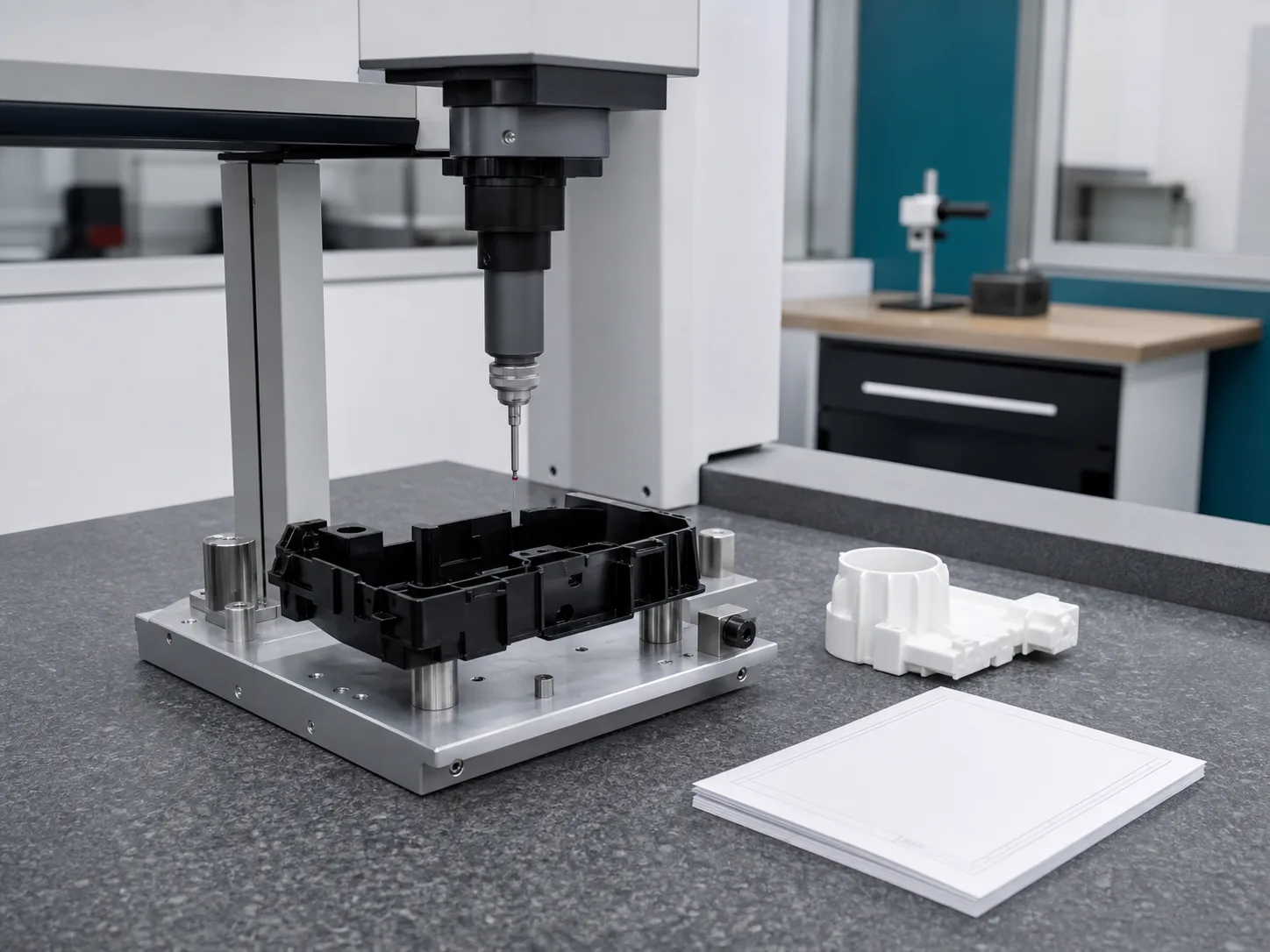 Upload files that make the engineering review visible: geometry, material, quantity, cosmetic zones and release evidence.
Qualified requests receive a first engineering reply with DFM questions, tooling assumptions and the next practical route. Large files can be shared after the first reply if the upload is too large.
The first review sorts the request into a practical route: DFM clarification, rapid tooling, production mold quotation, insert molding, overmolding, material review or quality-document planning. If key inputs are missing, the reply should ask focused engineering questions instead of sending a vague price.