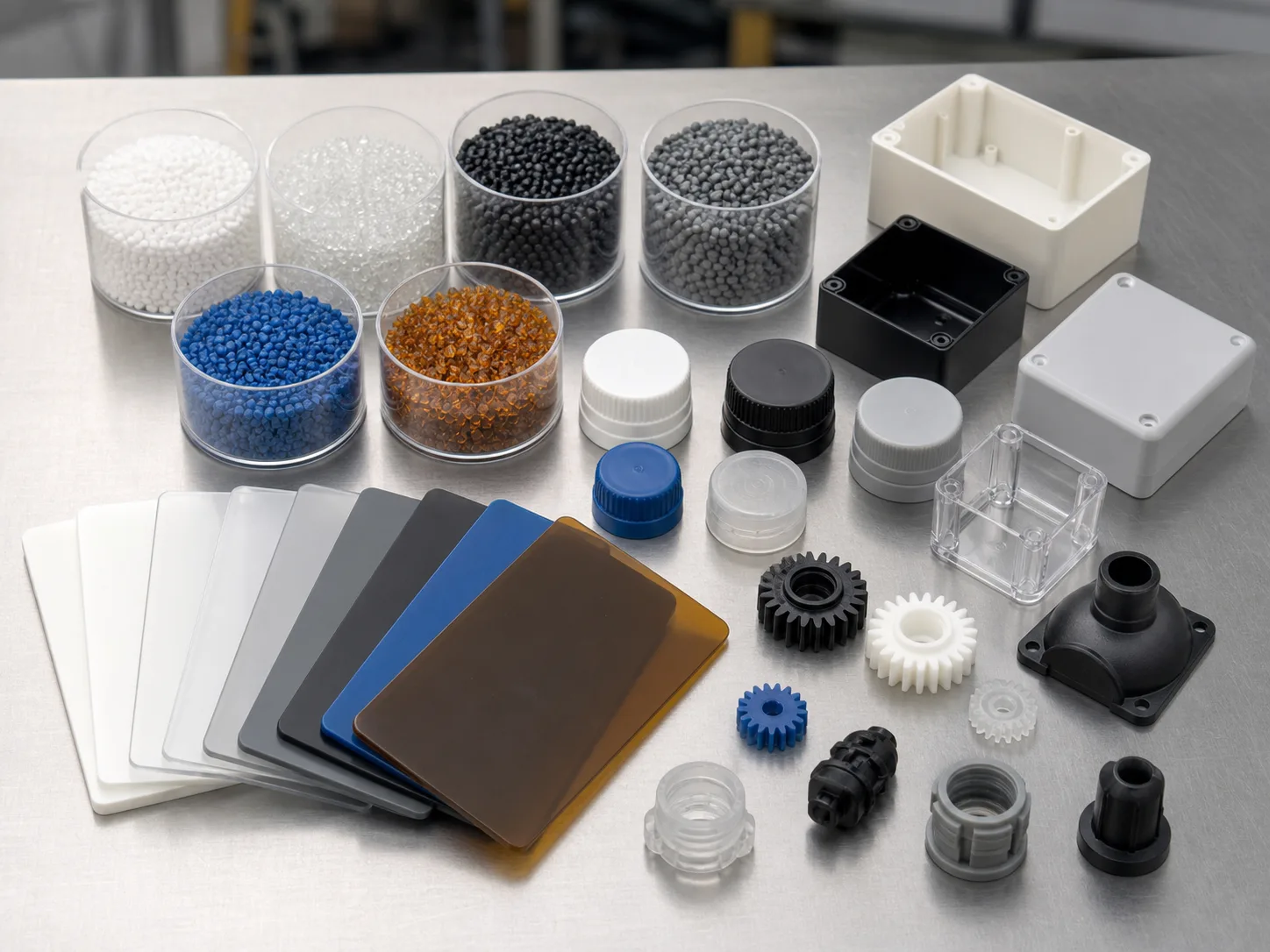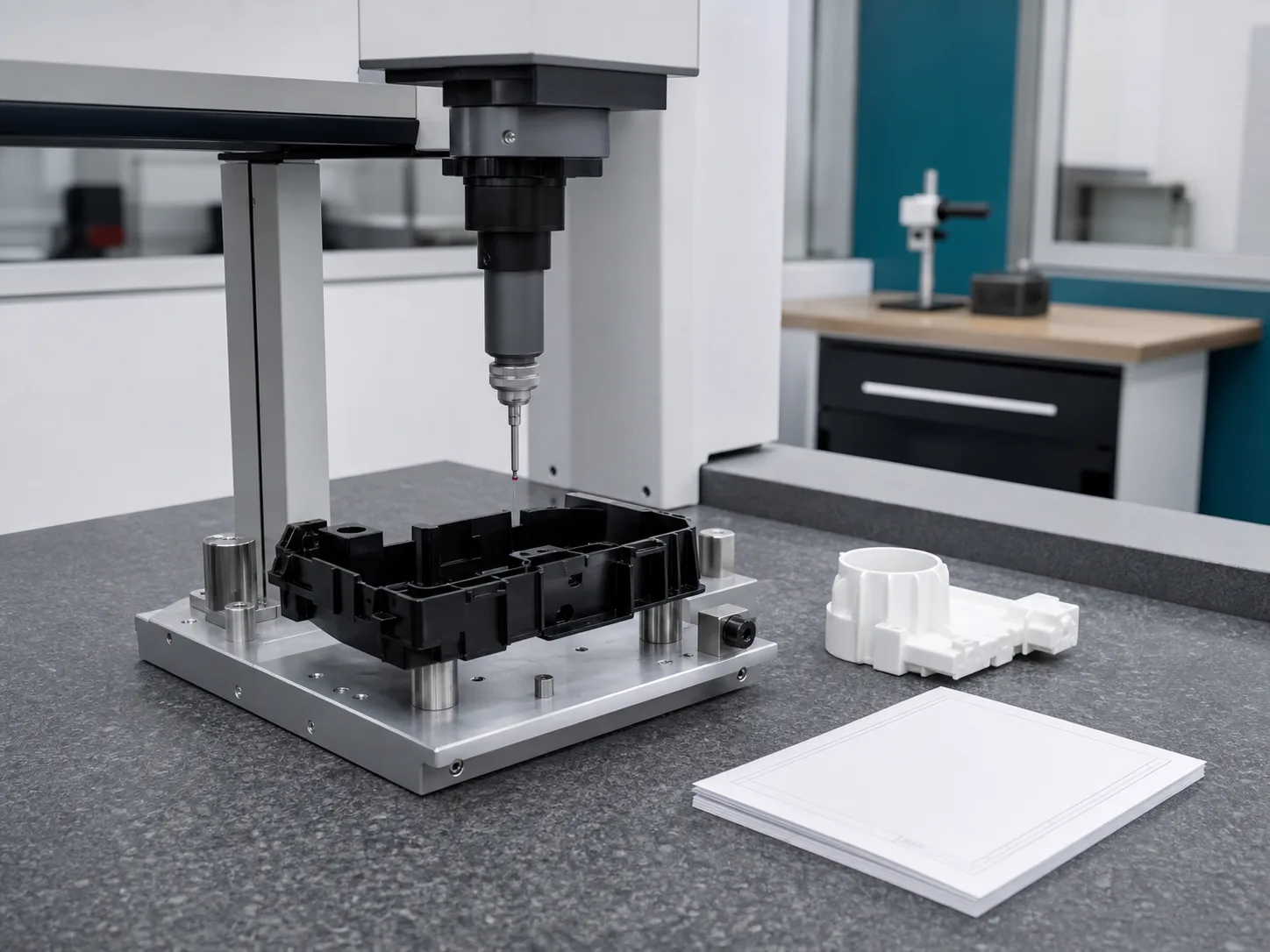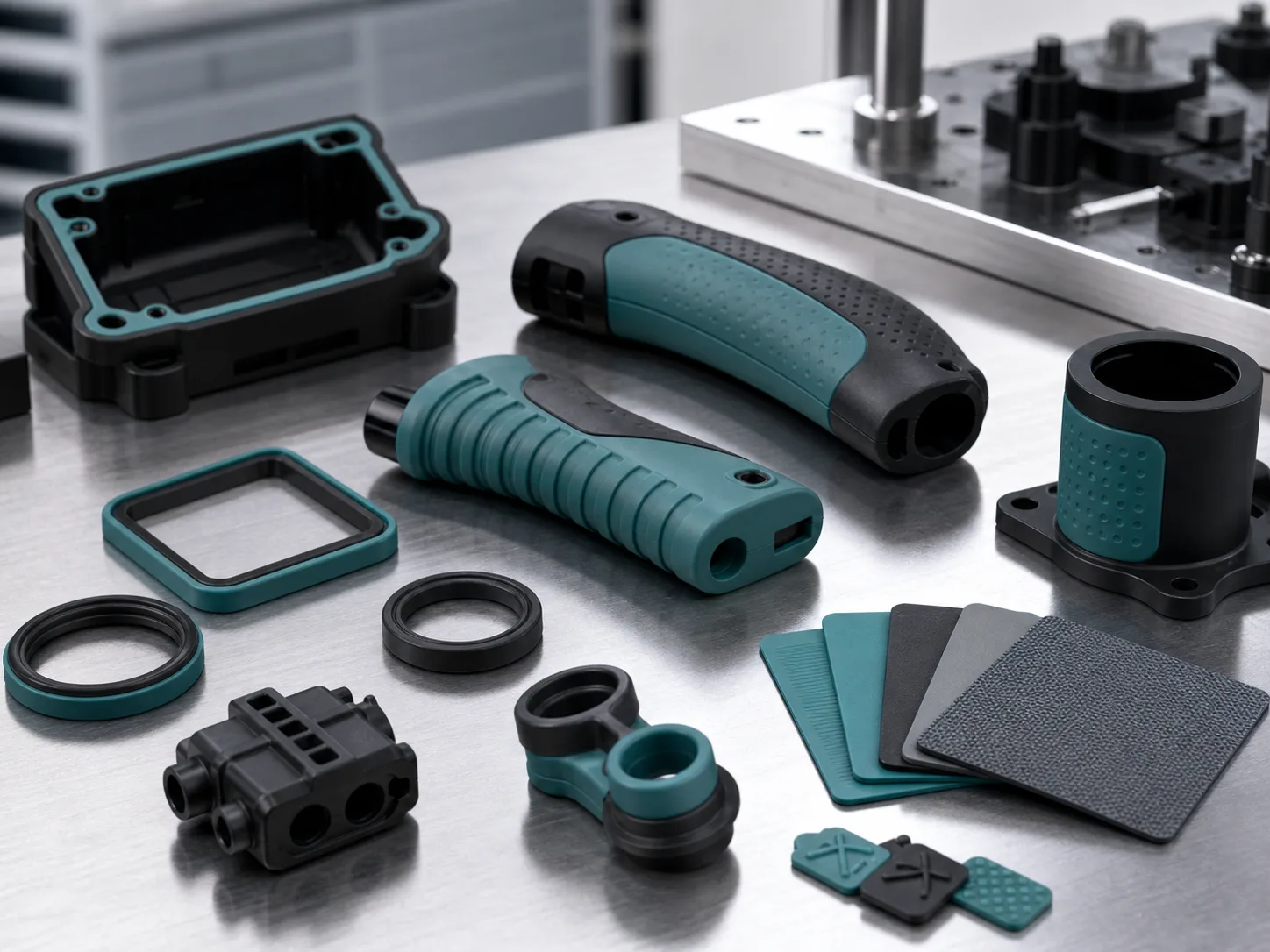
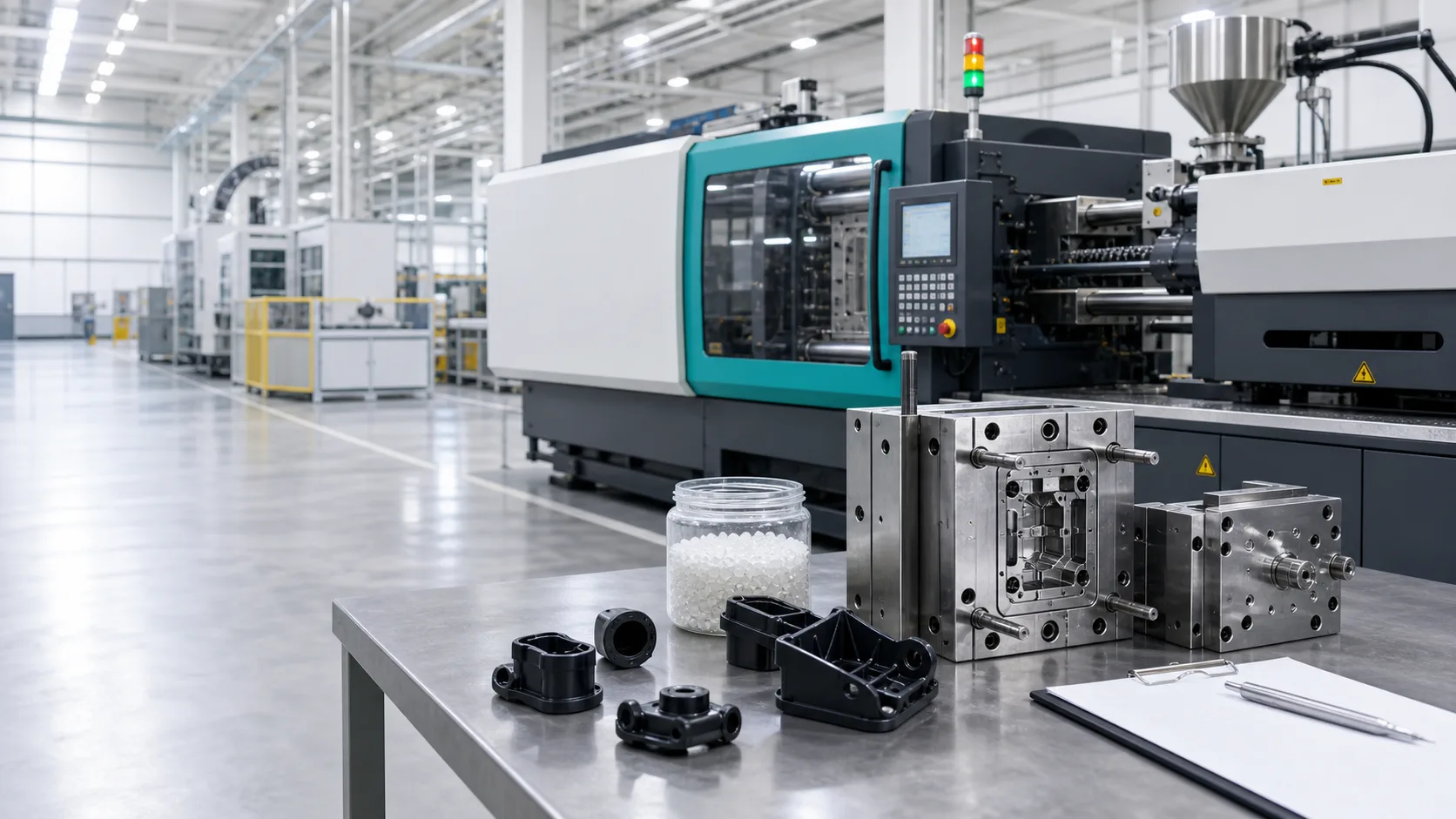
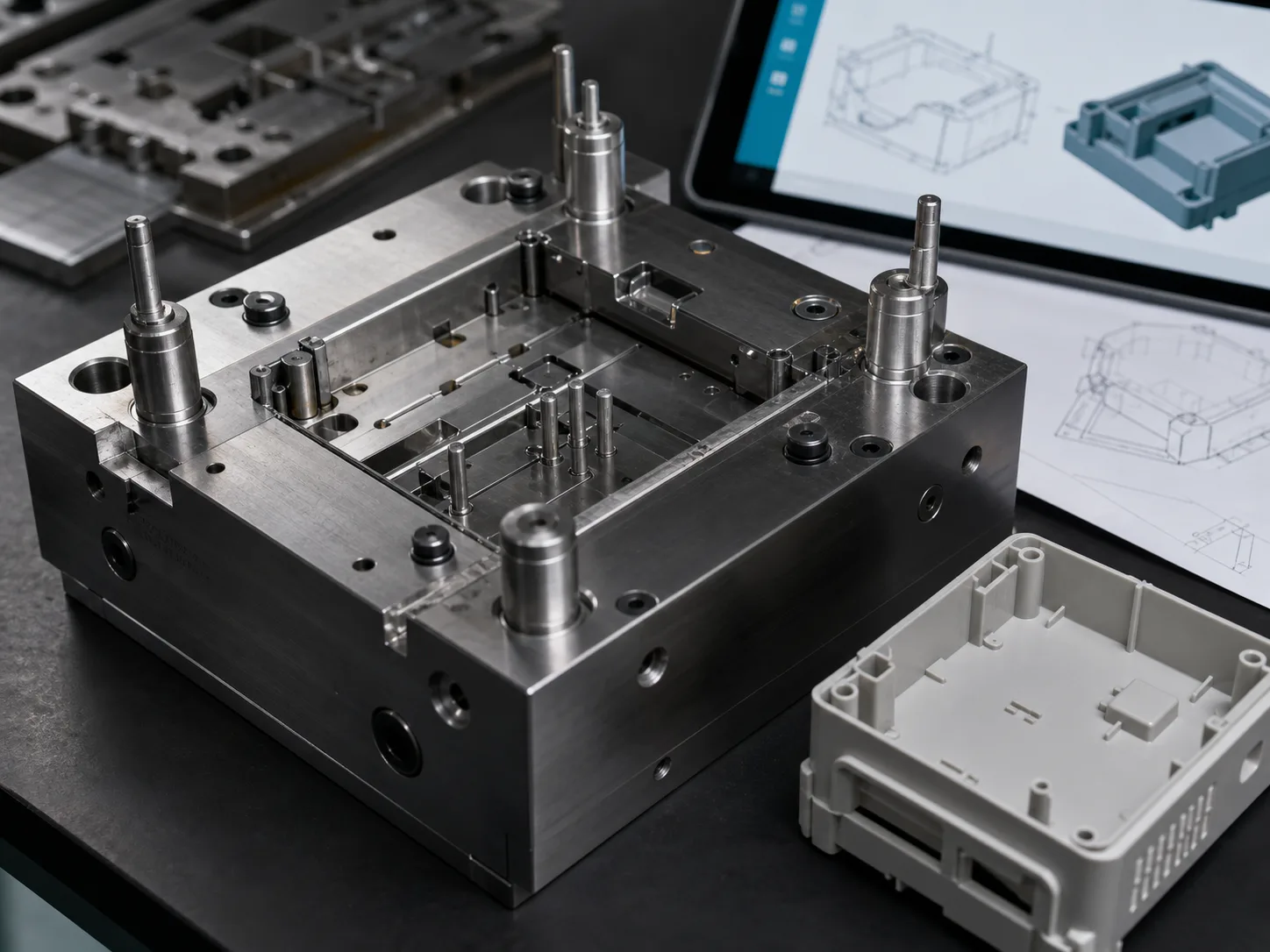
Injection molding machine, mold tooling and plastic parts
Custom injection molding in China

From CAD review to mold tooling and production release.

MoldRoute helps overseas product teams review plastic part risk, choose the tooling path, approve T1 samples and move into reliable injection molding production.

DFM firstWall thickness, gates, ribs, bosses, ejection and tolerance reviewed before steel.
Tooling + moldingMold design, T1 samples, correction tracking and production under one path.
CAD-ready RFQSTEP, IGES, X_T, SLDPRT, drawings, sample photos and ZIP files accepted.
Tooling path snapshot CAD optional first

Start with part type, estimated quantity and file status. CAD files can be shared now or after our first reply.

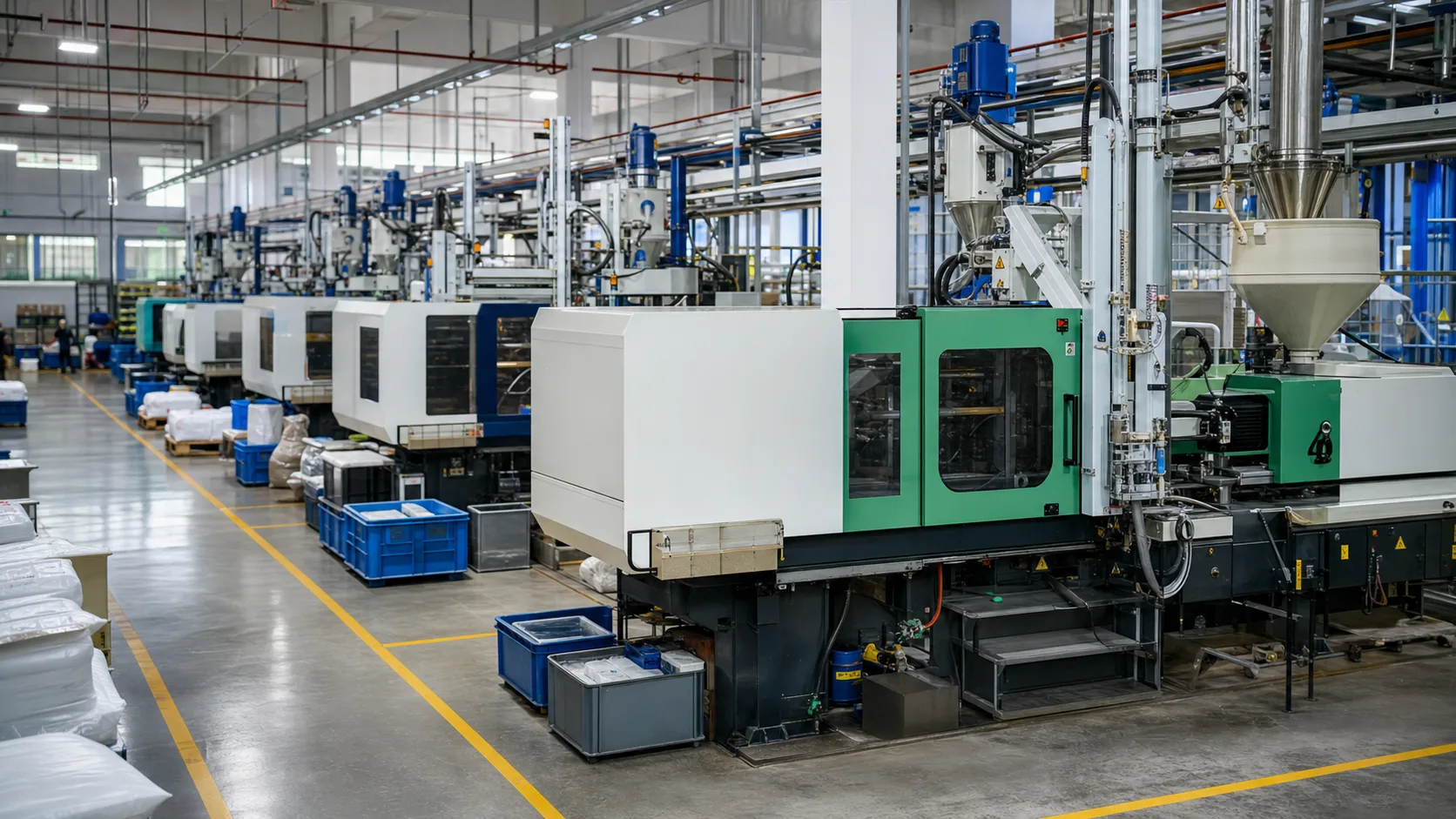
Injection molding floor
Injection molding floorMachine and production context
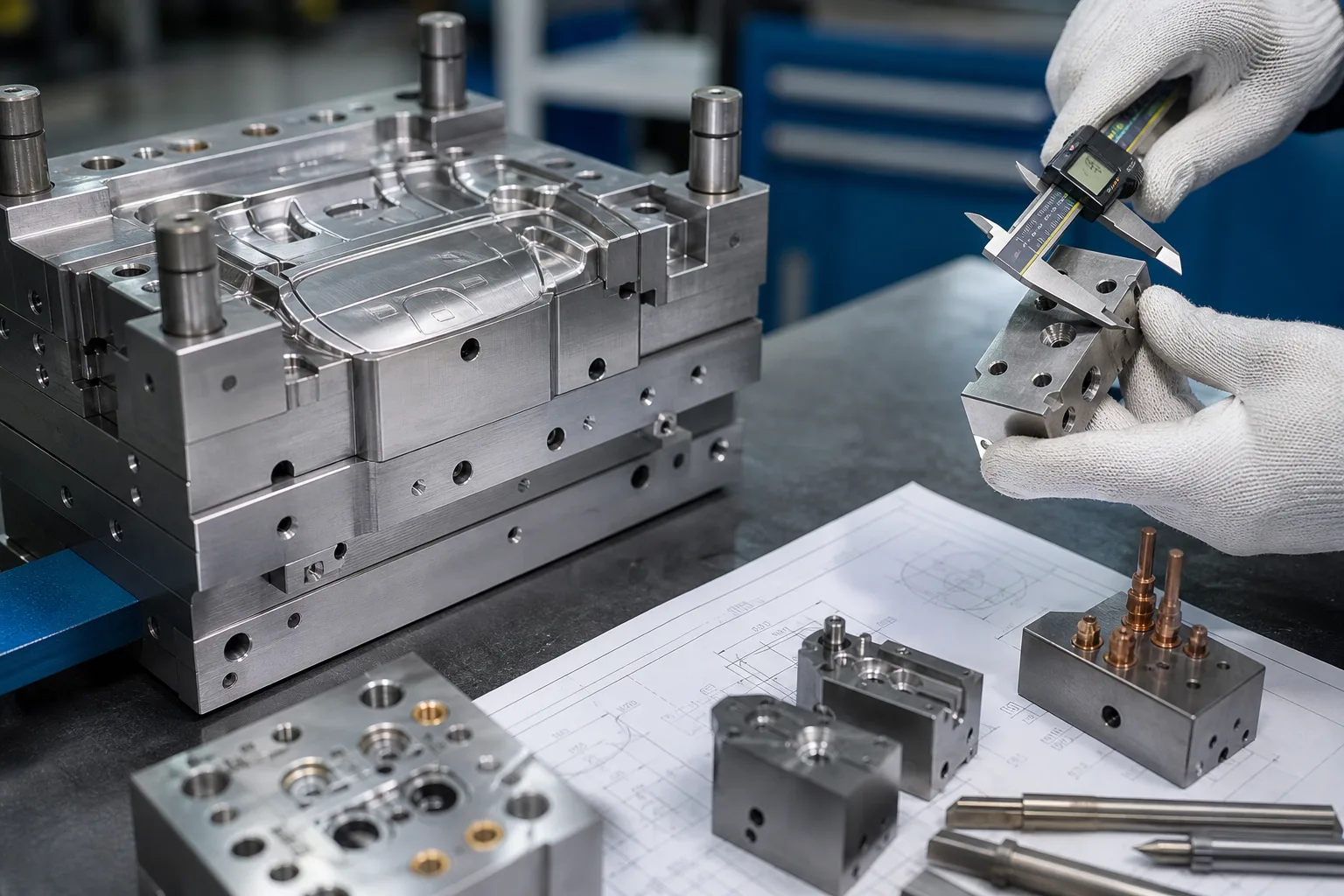
Mold tooling detail
Mold tooling detailSteel, cavity and insert evidence
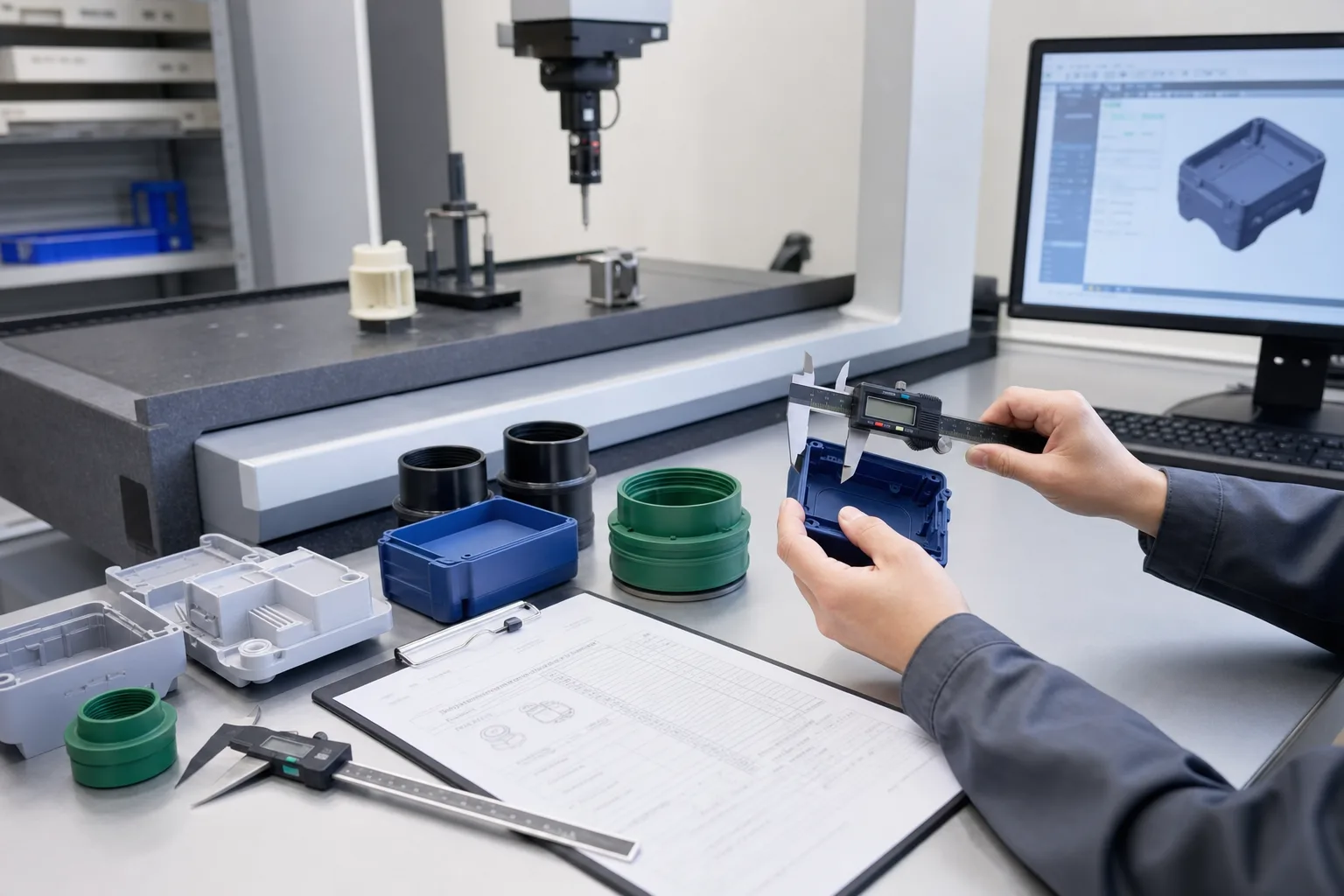
Quality inspection
Quality inspectionFAI and dimensional release
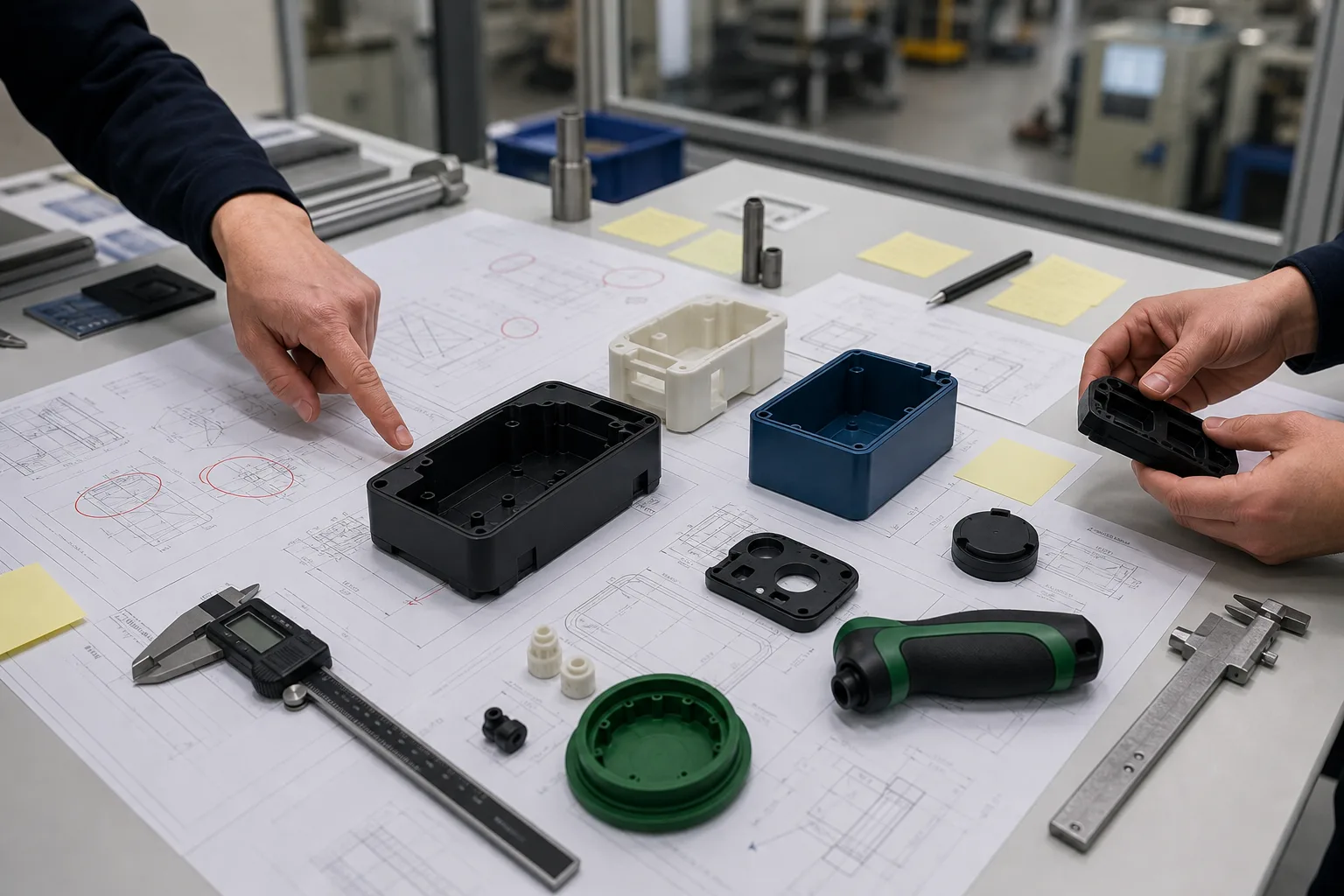
T1 sample review
T1 sample reviewSamples, drawings and correction notes
Visual process

Make the molding review visible.

Visitors should see the physical checks behind a quote: geometry, tooling route, material behavior, samples and release evidence.

Show the hidden tooling questions before steel is cut.
Representative DFM visual: the quote path should connect CAD geometry, mold structure and sample approval evidence.
Visual review

Show the hidden tooling questions before steel is cut.

A buyer should quickly understand which physical risks the engineering team is checking, not only read a list of services.

Wall thickness, ribs and screw bosses that may sink or crackGate, parting line and ejection marks that affect visible surfacesSlider, lifter, texture and tolerance assumptions that change mold costT1 sample findings that decide whether to correct, retest or release
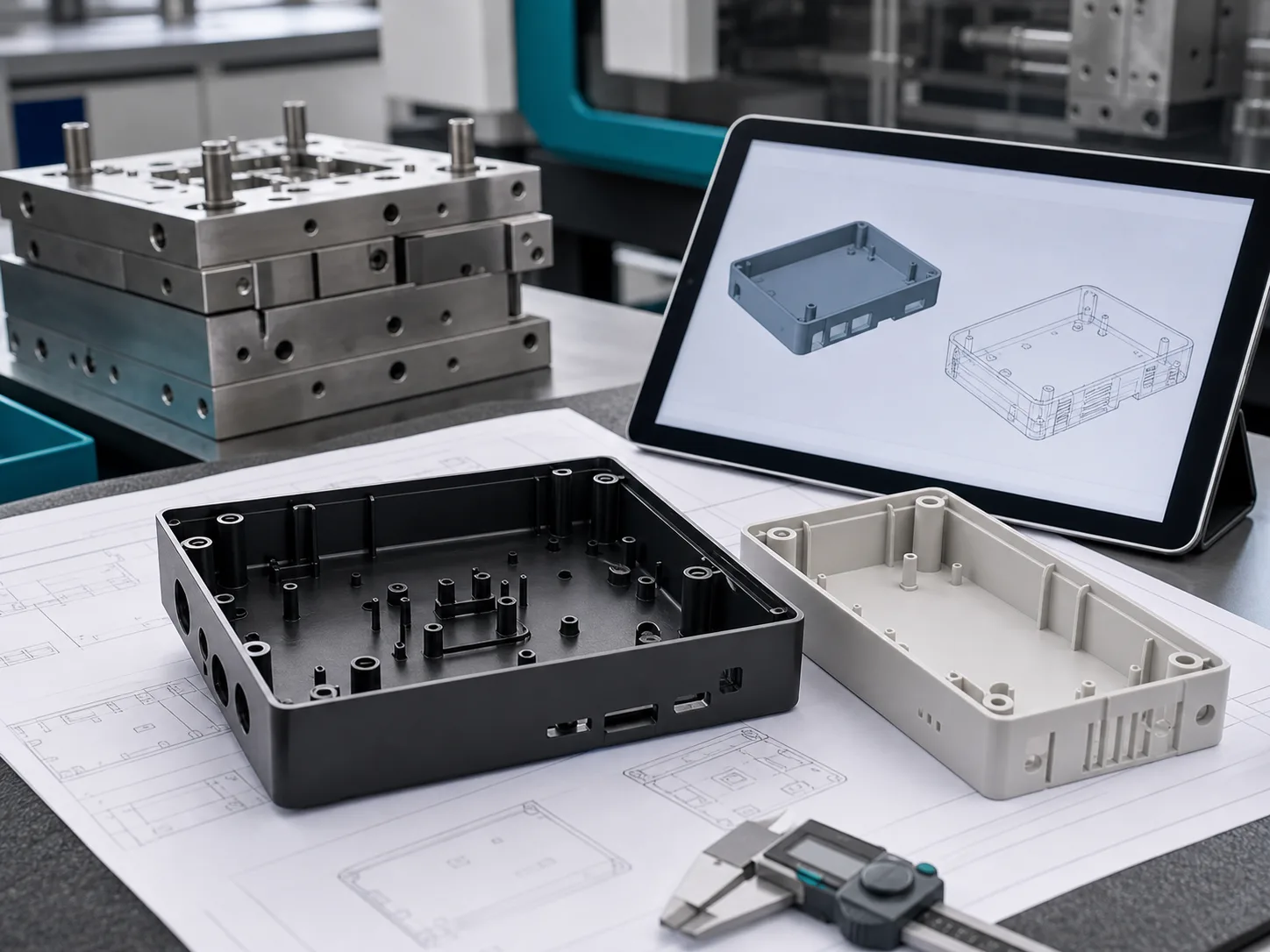
Geometry risk review
WallGateDraft
DFM marks

Geometry risk review

Visual DFM notes help buyers see why a part may need draft, wall or gate changes before tooling.

Resin choice with molding risk
ABSPPPC
Material path

Resin choice with molding risk

Material selection should be explained through shrinkage, drying, finish and functional load, not a resin name alone.

Manufacturing evidence

Show the shop-floor proof behind the quote.

Representative visuals show the type of factory, mold, T1 and inspection evidence buyers should expect before production release.

Show the manufacturing environment behind the quote.
Representative visual: replace with verified factory photography when available.
Factory evidence

Show the manufacturing environment behind the quote.

A stronger injection molding site should make capacity, process control and sample-release evidence visible before a buyer uploads files.

Injection molding floor and material handling contextMold tooling bench and steel-detail reviewQuality lab checks for dimensions and sample approvalT1 review table linking CAD, molded samples and correction notes
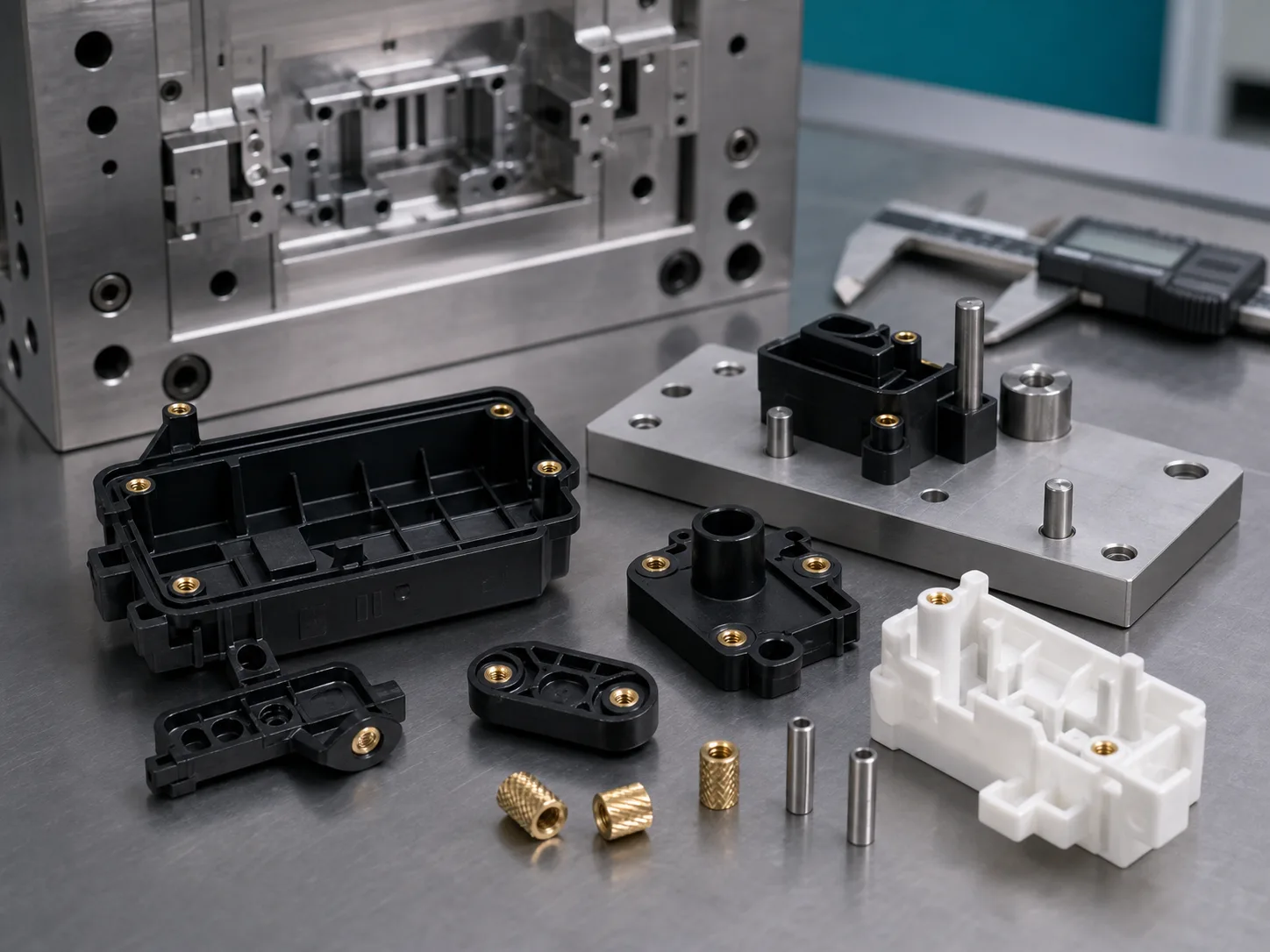
Mold steel and insert review
SteelCavityInsert
Tooling evidence

Mold steel and insert review

Tooling images should support claims about cavity/core details, insert fit, steel review and correction planning.

FAI and dimensional inspection
FAICMMT1
Quality evidence

FAI and dimensional inspection

Inspection visuals help buyers understand how T1 samples, critical dimensions and release documents are controlled.

T1 sample review
T1ReviewRelease
Sample evidence

T1 sample review

Sample review should connect molded parts, marked drawings, tooling corrections and buyer approval gates.

Evidence buyers can verify

Proof should come from engineering artifacts, not slogans.

Custom molded part buyers need to see what can be checked before deposits, T1 approval and production release.

DFM notes

Geometry review can document wall thickness, draft, ribs, bosses, gate location, ejection and cosmetic-zone risks before mold steel.

Review

T1 sample loop

T1 findings should be tracked as issue list, correction action, revised sample status and buyer approval gate.

Sampling

Material evidence

Resin grade, color, drying notes and material certificates can be planned for projects where material traceability matters.

Material

Inspection records

Dimensional checks, FAI, selected CMM points, cosmetic standards and packing photos can be defined before production release.

Quality

Evidence buyer can requestBest used whenDecision it supports
Marked DFM screenshots or notesBefore tooling depositWhether the part is ready for mold quotation
T1 issue and correction trackerAfter first samplesWhether to correct, retest or release production
FAI, CMM or dimensional reportTolerance-sensitive partsWhether critical dimensions match drawing intent
Material certificate and batch notesEngineering resin or compliance-sensitive jobsWhether production uses the agreed resin route
Route finder

Choose the right next action before uploading files.

The fastest reply comes when the inquiry matches the buyer stage: DFM risk, tooling investment, pilot samples or release evidence.

Stage 1

CAD risk unclear

Start with DFM review when wall thickness, draft, ribs, bosses, gate marks or tolerance feasibility may change tooling cost.

Stage 2

Mold investment needed

Use mold making when steel, cavity count, sliders, cooling, mold life or ownership terms are the main decision.

Stage 3

Samples before scale

Use rapid tooling when real resin, fit checks and pilot quantities matter before a full production mold.

Stage 4

Release evidence needed

Use quality documentation when T1 approval, dimensional checks, material certificates or batch records decide release.

Why MoldRoute

Tooling mistakes are expensive after steel is cut.

Injection molding buyers are not only buying part price. They are buying risk control around geometry, material, mold structure, sample approval and repeatable production.

Risk

Sink, warpage and weld lines

Part geometry, wall transitions, ribs and gate location can create defects that are costly to correct after T1.

Risk

Wrong mold route

Prototype mold, bridge mold, production mold and mold transfer require different assumptions and cost tradeoffs.

Risk

Weak approval gates

Without T1 notes, dimensional checks and correction tracking, small issues become production surprises.

Service routes

Choose the right manufacturing path.

Start with the page closest to your current stage. Each route leads to a practical RFQ and DFM review instead of a generic contact form.

Plastic Injection Molding
T1QCBatch
Production

Plastic Injection Molding

From T1 samples to scheduled molded-part production with batch and release checks.

Injection Mold Making
SteelCavitySlider
Tooling

Injection Mold Making

Mold design, steel, cavity count, slider, cooling and correction loops need early visual review.

Rapid Tooling
PilotBridgeLow volume
Bridge

Rapid Tooling

Use bridge tooling when the product needs real resin samples before full production investment.

Insert Molding
InsertPull-outPosition
Insert

Insert Molding

Insert location, retention, flow around hardware and inspection points should be visible before T1.

Overmolding
BondSealFeel
Overmolding

Overmolding

Soft-touch and sealing parts require material compatibility, bonding and flash review.

DFM Review
CADRiskRoute
Engineering

DFM Review

CAD review should mark the features that can change tooling cost, lead time and sample quality.

Process

A controlled path from RFQ to production.

The site is built around buyer decisions that should happen before tooling cost is committed.

1. RFQPart type, quantity, material and file status.
2. DFMGeometry, gate, draft and tolerance risk.
3. Mold planSteel, cavity, slider and tooling route.
4. ToolingMold build and progress checkpoints.
5. T1 samplesDimensional and cosmetic review.
6. CorrectionIssue list and mold adjustment.
7. ProductionRelease, QC and batch tracking.
8. ShippingPacking, export and repeat order notes.
Capabilities

Engineering evidence buyers can inspect.

MoldRoute should prove control through checklists, sample gates and quality documents, not only machine photos.

Materials

Start with material fit, not material names alone.

The first review should connect resin choice to strength, appearance, shrinkage, gate marks, tolerance and cost.

Tie each resin to the molded-part behavior it controls.
Representative material visual: resin choice has to be reviewed with wall thickness, finish, gate location and tolerance.
Material map

Tie each resin to the molded-part behavior it controls.

Material pages should help buyers compare real tradeoffs: strength, appearance, shrinkage, heat, flexibility and quote risk.

ABS for balanced housings, covers and paintable partsPP for caps, closures, living hinges and chemical resistancePC and PMMA for impact or clear visual partsPA66, POM and TPU/TPE for mechanical, sliding or soft-touch functions
ABS

ABS Injection Molding

Balanced, paintable and practical for housings, covers and consumer product parts.

Case evidence

Anonymous case formats for real buyer decisions.

Cases explain the risk, tooling decision and sample approval gate without exposing private customer details.

Station group

Fits the wider B2B independent-site system.

MoldRoute connects naturally with the industrial design site before tooling and the packaging site after molded parts are approved.

RFQ

Send the part details that actually affect molding.

A useful request includes part type, CAD status, material, quantity, tooling need, finish and quality-document expectations.

Best files for first review

STEP, STP, IGES, X_T, SLDPRT or SLDASM2D drawing with tolerances if availableTarget resin, color and finishEstimated quantity and launch timelinePhotos or samples for supplier rescue projects